Kauê Costa, who runs the Brazilian blog Biologia Interativa, featured many of my ant images in his latest post.
Brazil has the greatest biological diversity in the world, and there is lots of great information on Biologia Interativa, but my regrettable inability to read Portuguese means I missed most of it.
A longhorn grasshopper nymph steals
the dusky moon from the dawn.

From warmer times, several of my images were published
in the 4th of July issue of Hometown Focus, a newspaper
covering northern Minnesota.
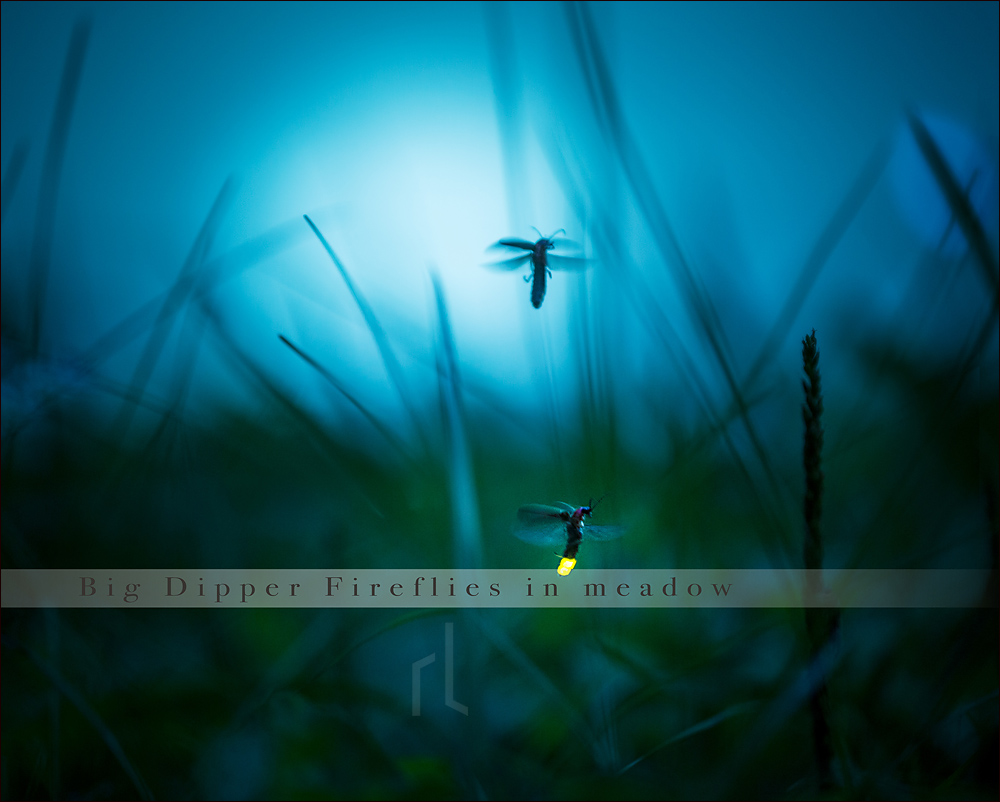
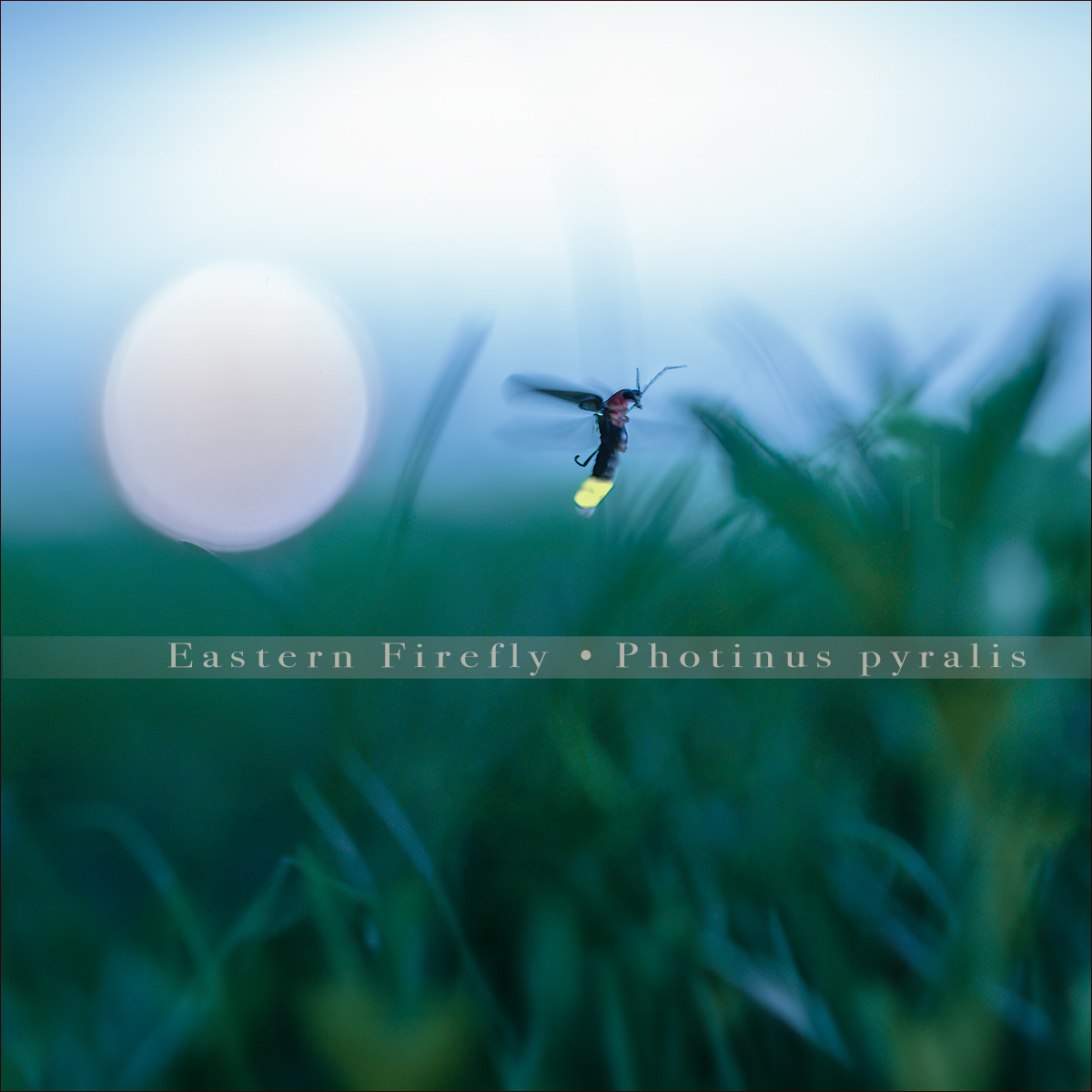
They illustrated the story “Fireflies: Mother Nature’s Fireworks”
by editor Jean Cole.
The only fireworks here now is the cold moonlight glittering
on a crisp, fresh snowfall.

The light fades on a snowy afternoon,
and a radiant rascal surveys the
raging sky with a whisper.

Wearing a crown of wet feathers,
a soaked songbird fills the hole in the sky
left behind by a spring rain.

Hidden away and little known,
some knots will never be untied,
particularly those created by the Greater
Angle-wing Katydid, perhaps keeping secrets
locked in chitin-inlaid treasure boxes.

A small squadron of honey bees is spotlit on a sunny green
stage, some coming home with a load of pollen,
others setting out to forage, hovering and tumbling,
a buzzing, yellow cloud of life.

She looked like a very special kind of dynamite,
neatly wrapped in crimson and feathers.
Only I wasn’t having any.
I’d been too close to an explosion already.
I was powder shy.
A female cardinal bewitches with her crimson charms.

“You wouldn’t know love if it hit you in the face.”
“So hit me!”

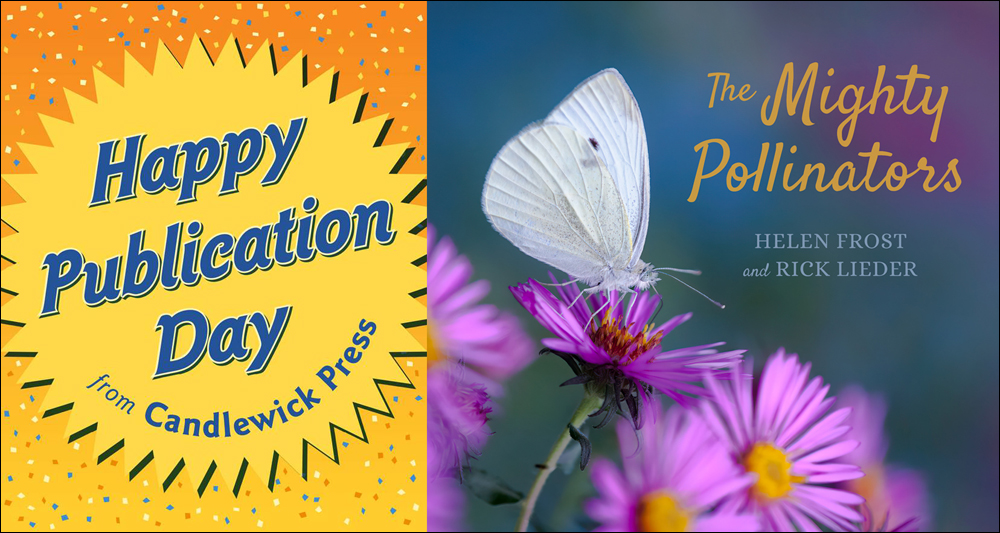
A memory of summer, a butterfly accidentally introduced to North America,
the Cabbage White, before the dust was brushed from its wings.
The dark spots mark it a female.